


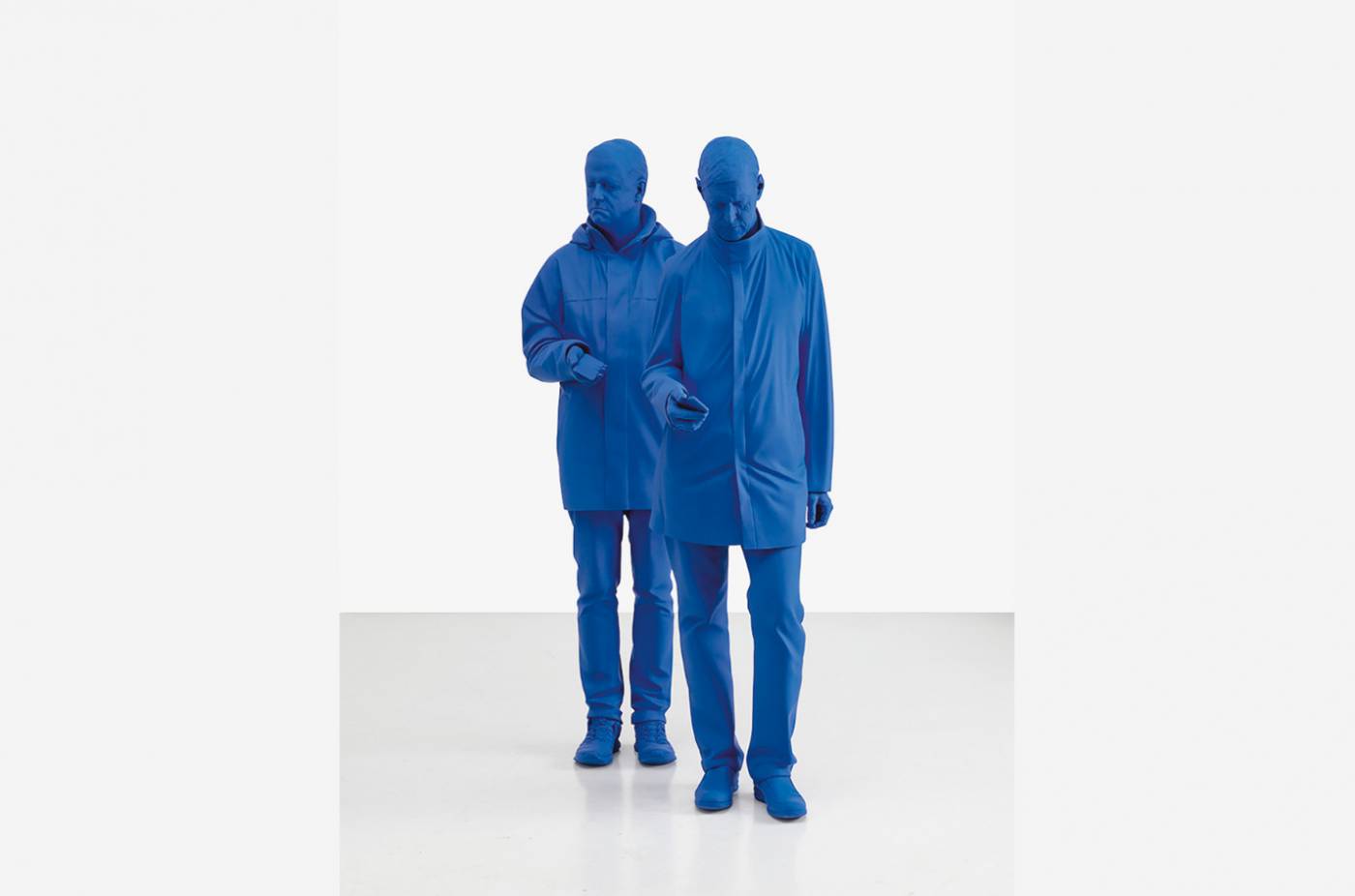
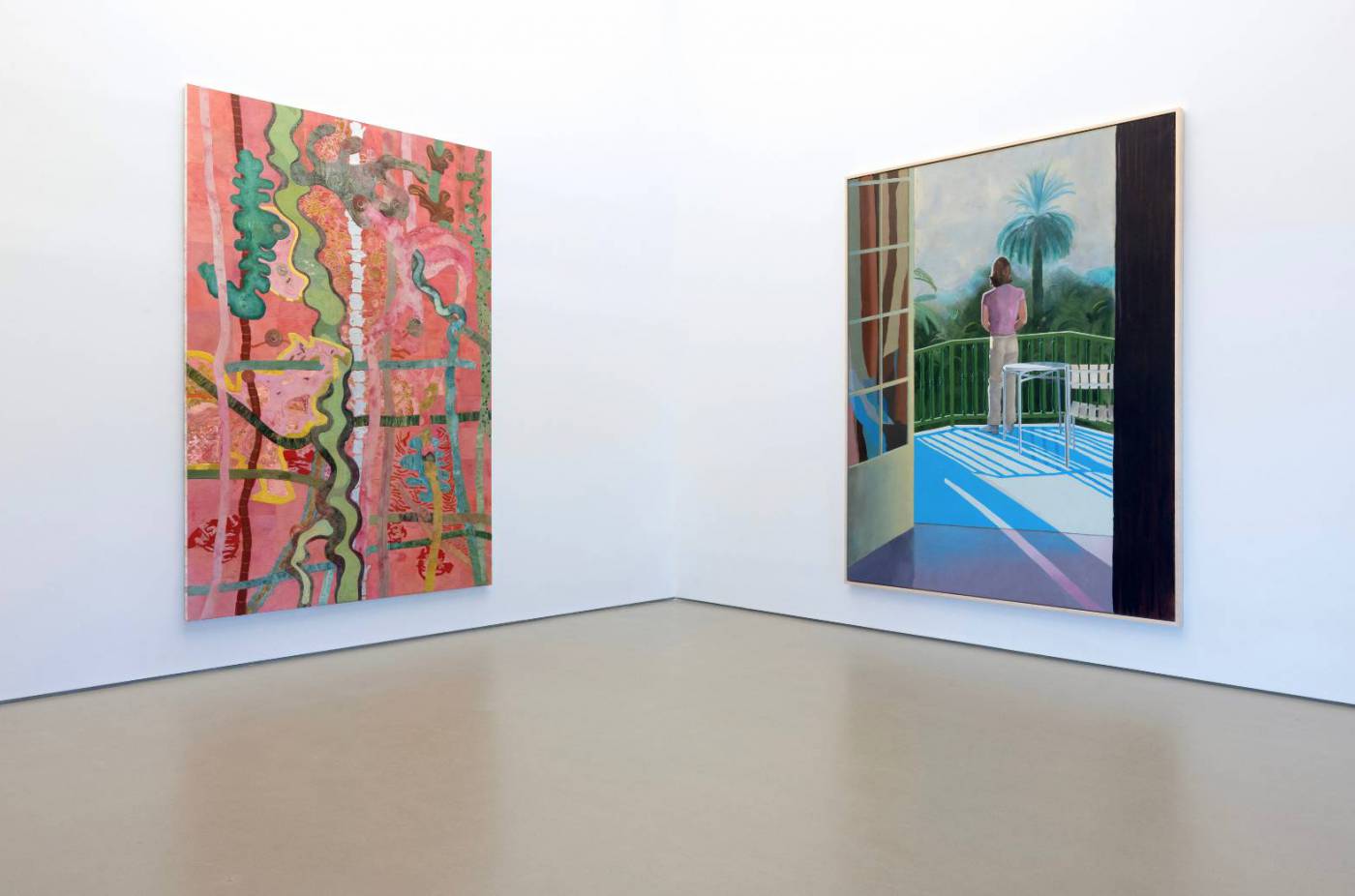
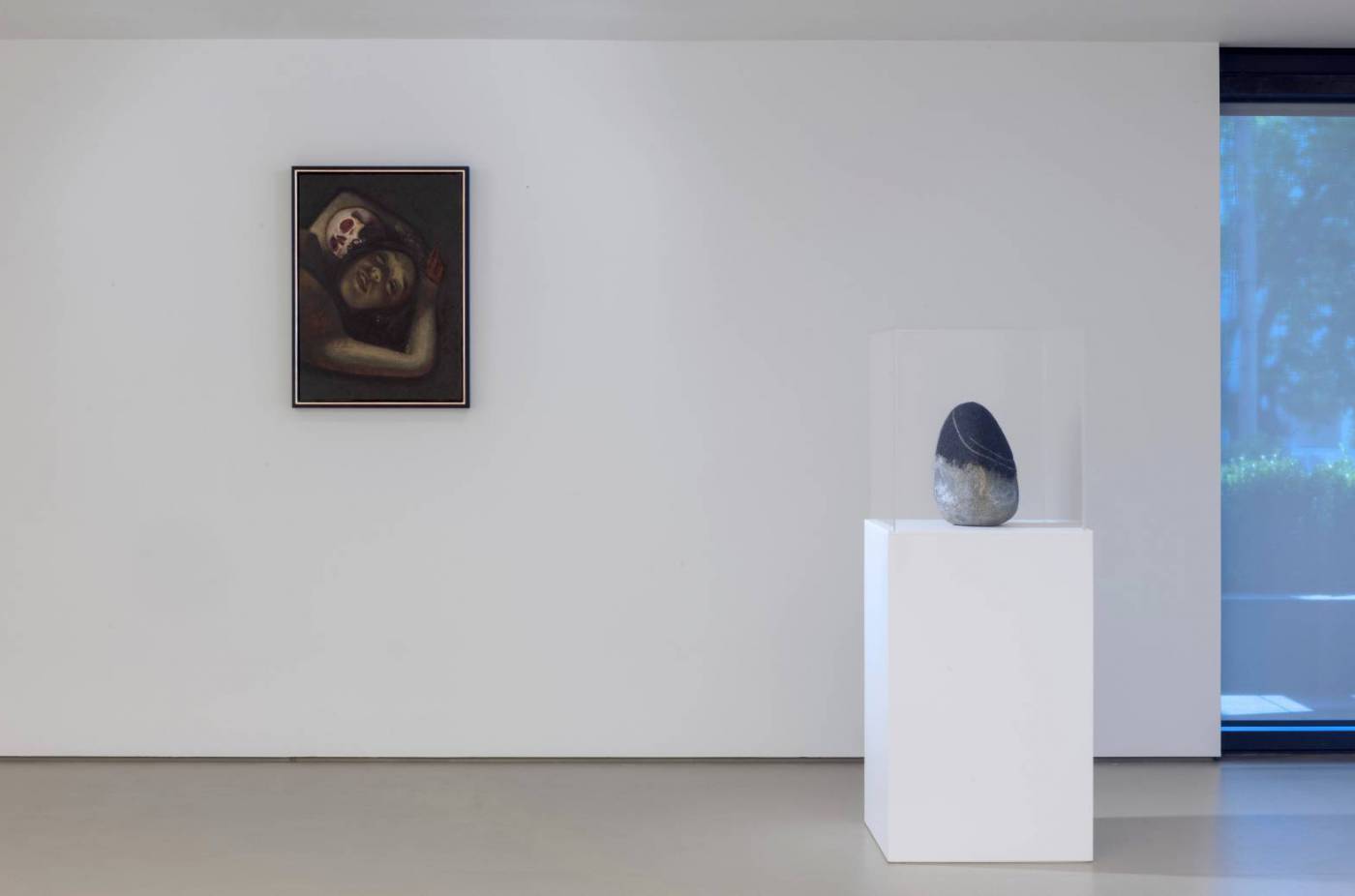
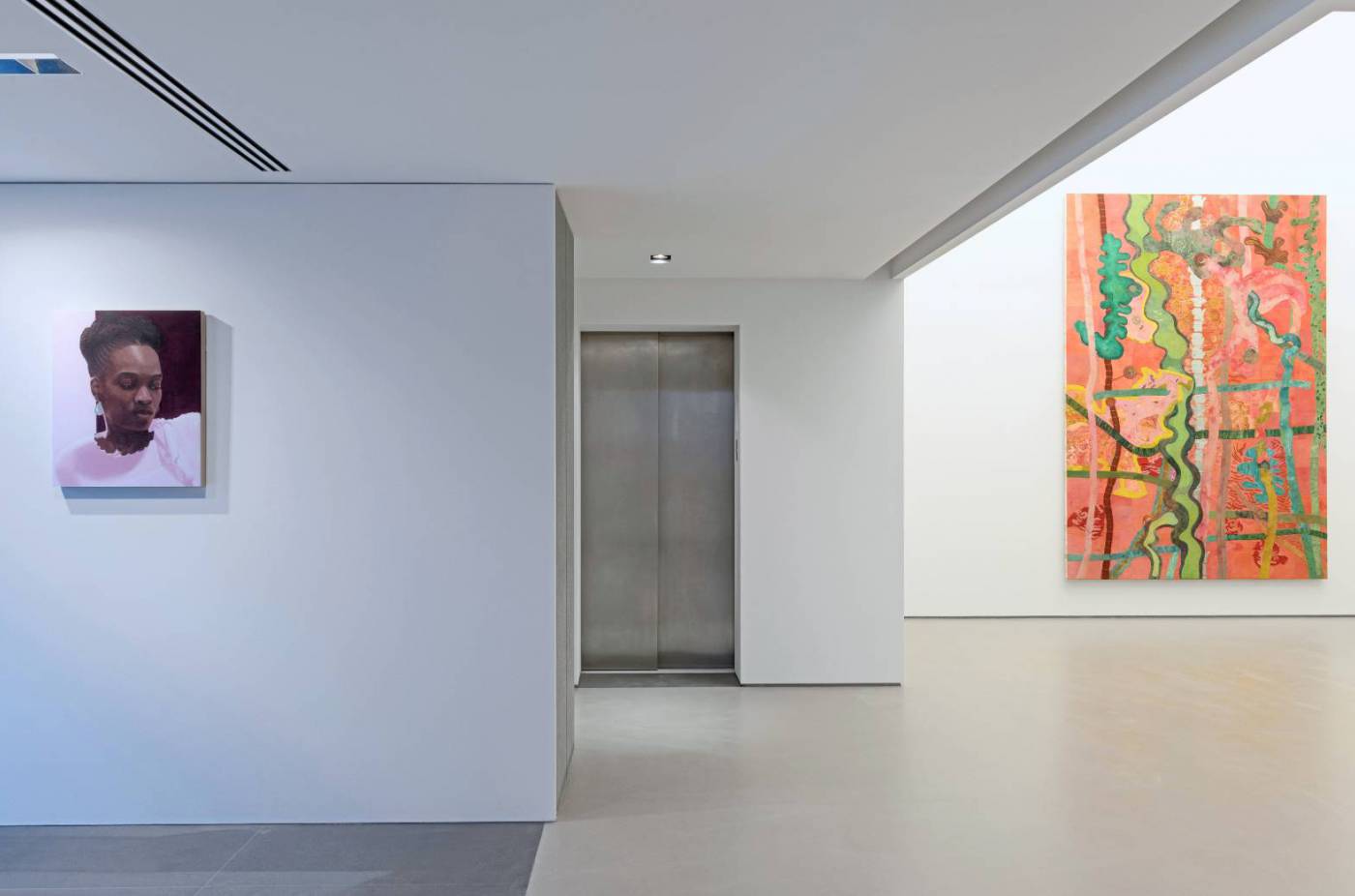
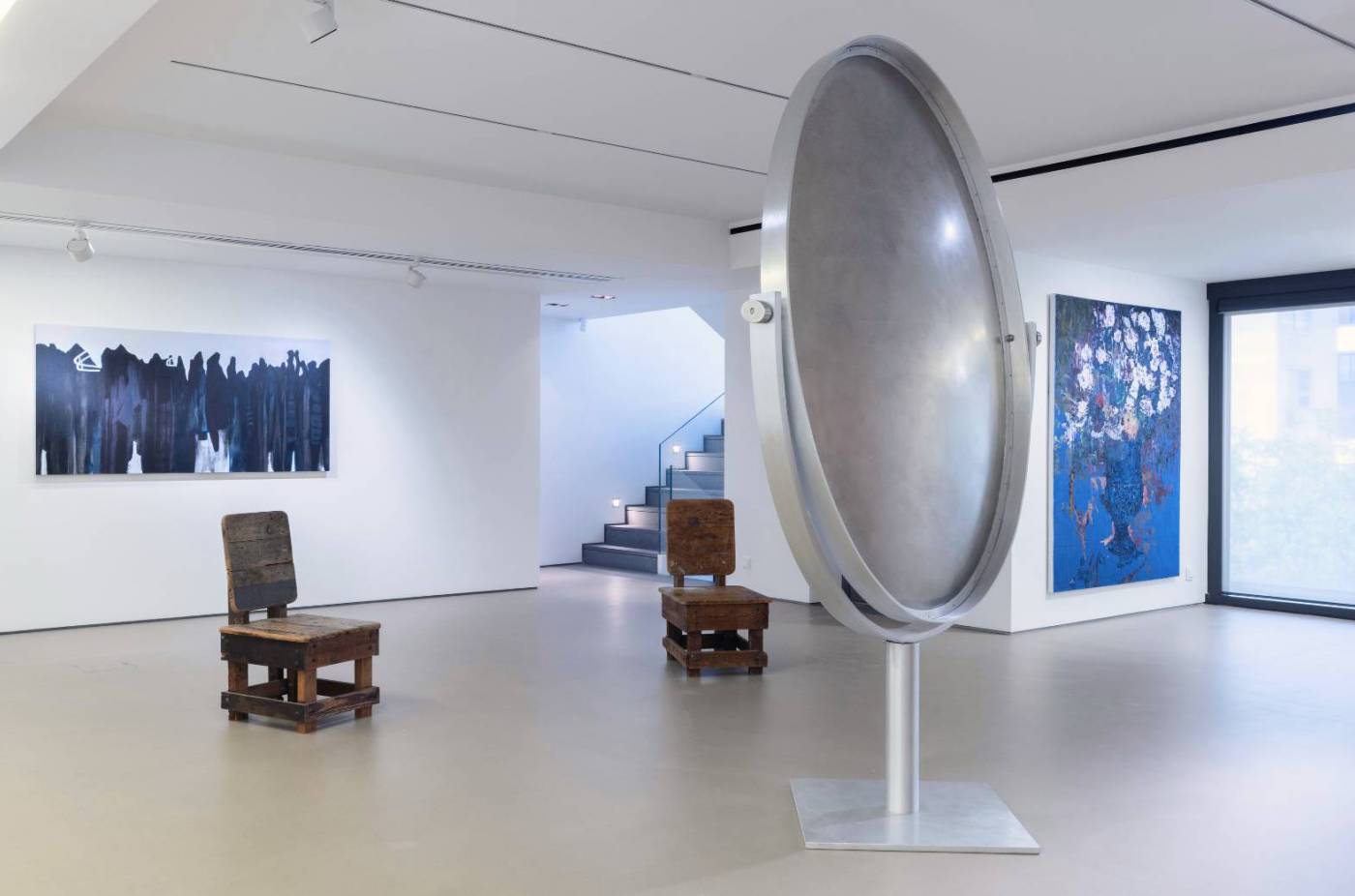
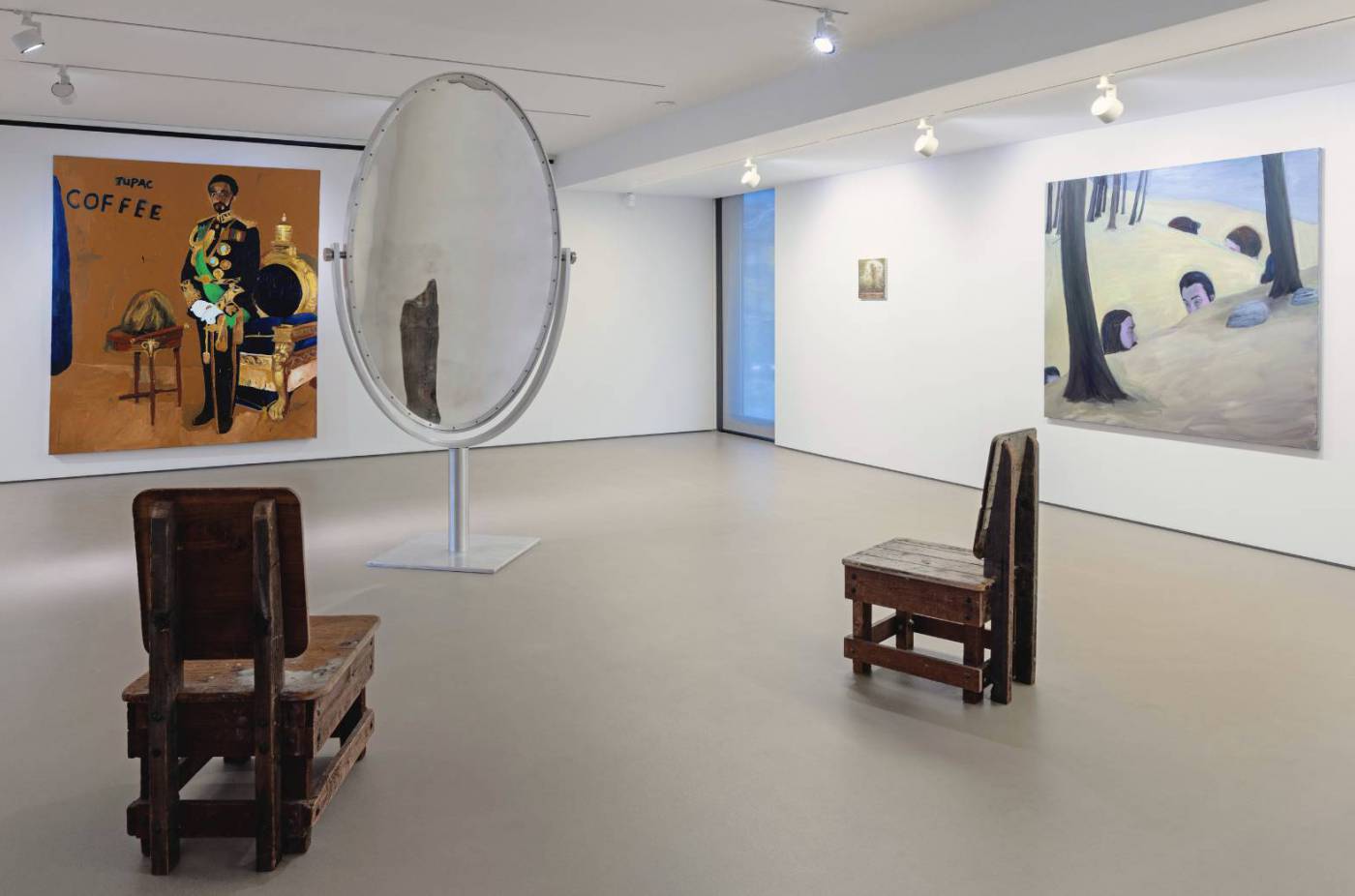
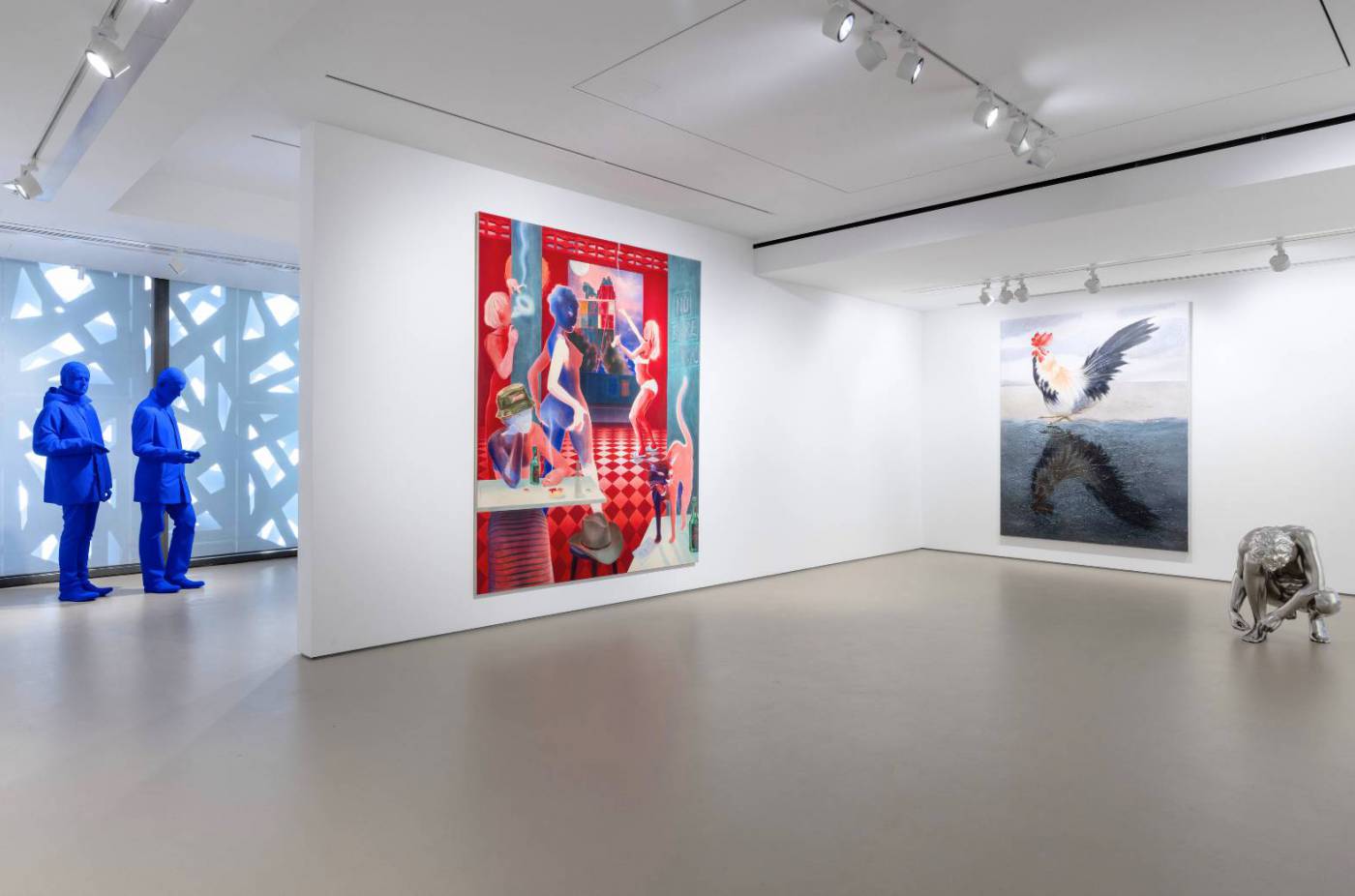
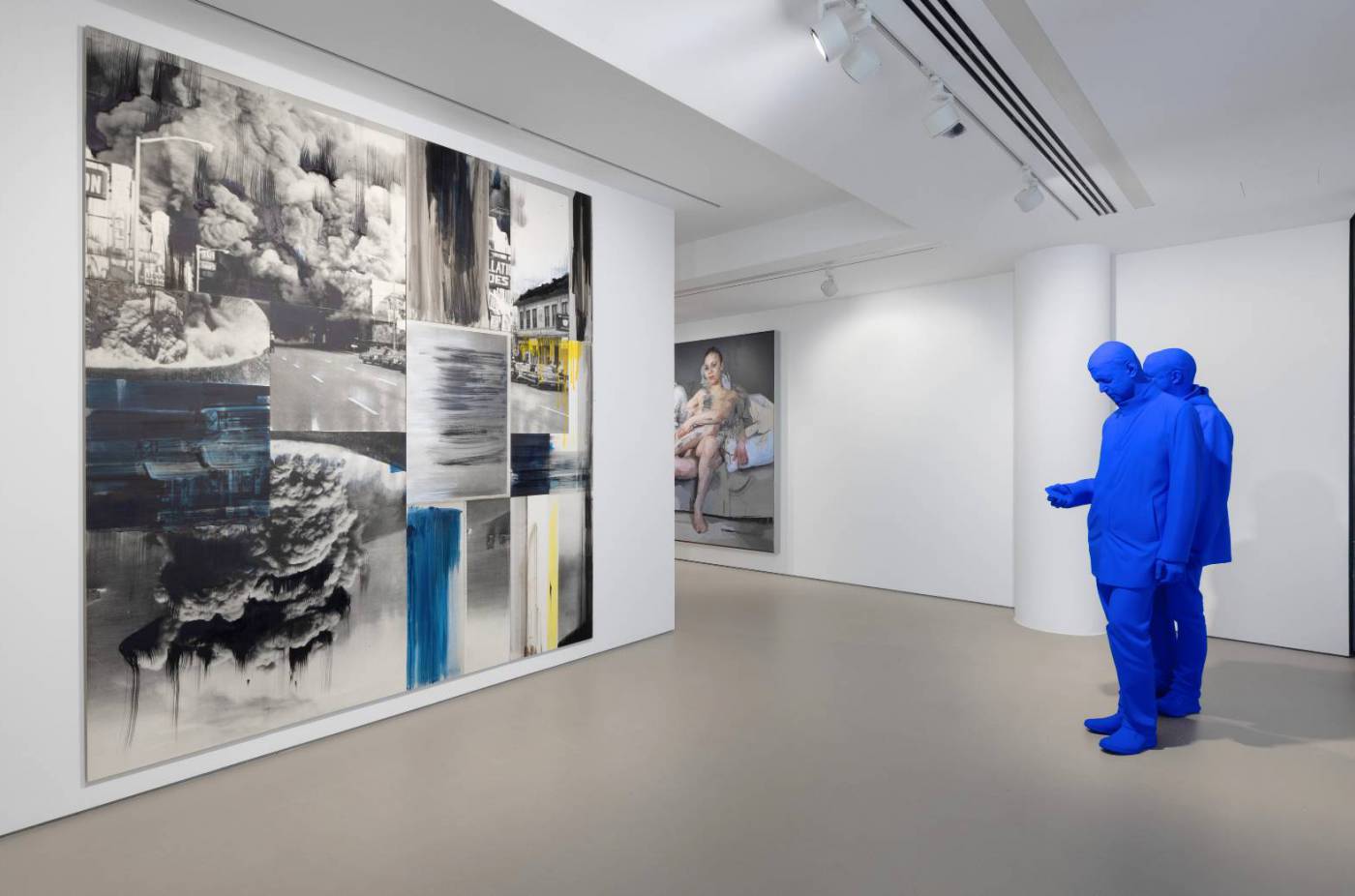
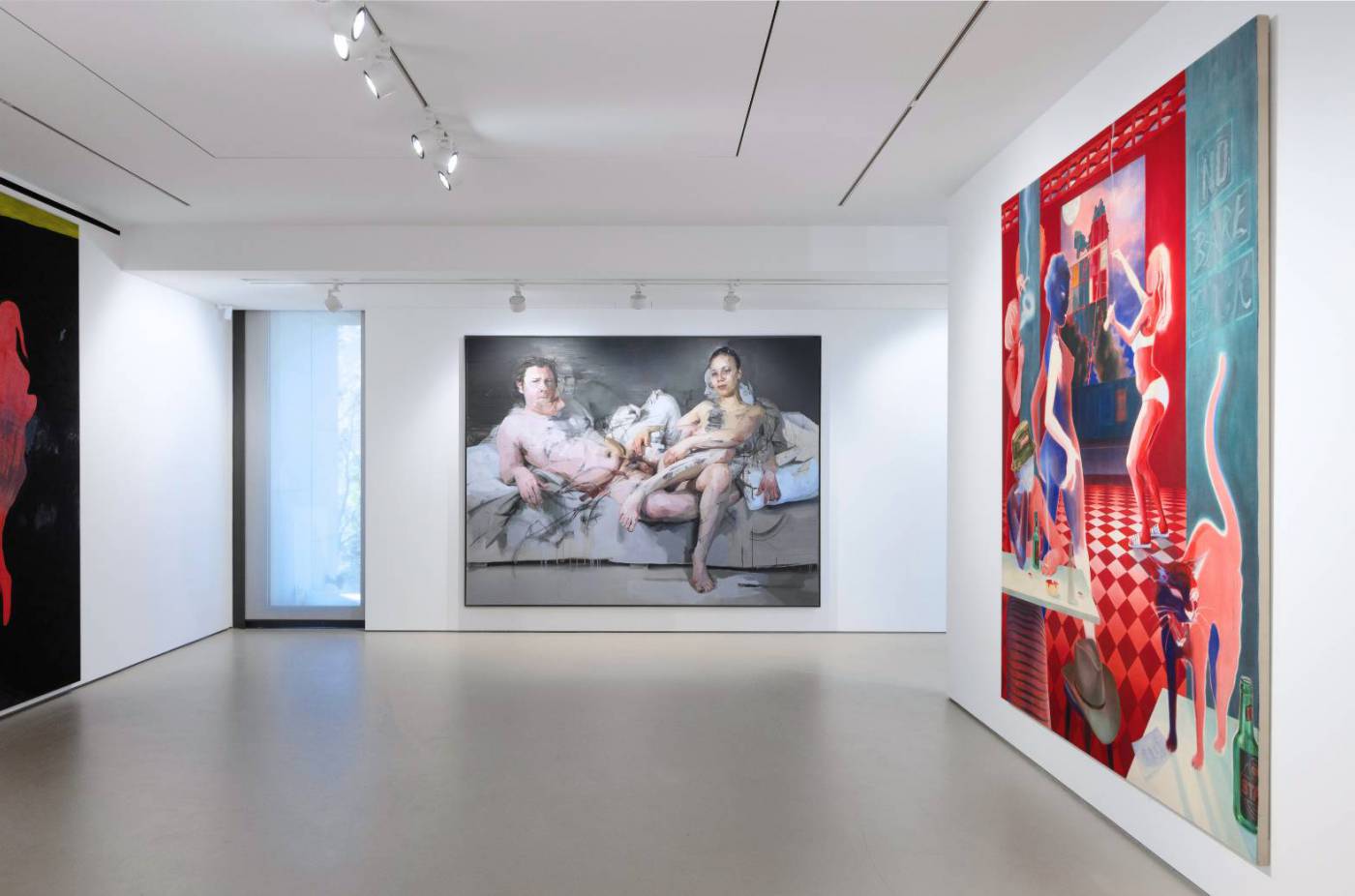
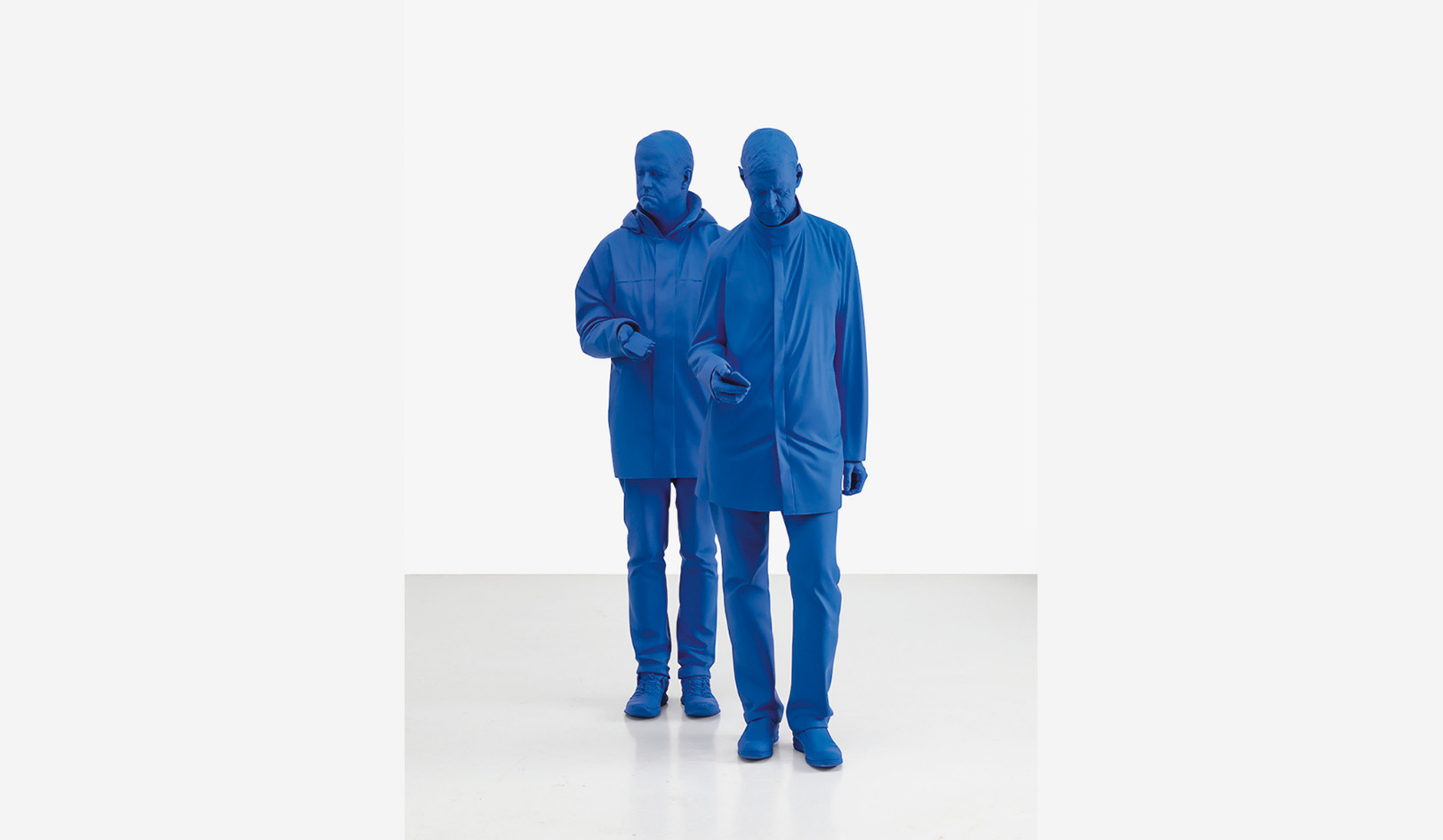
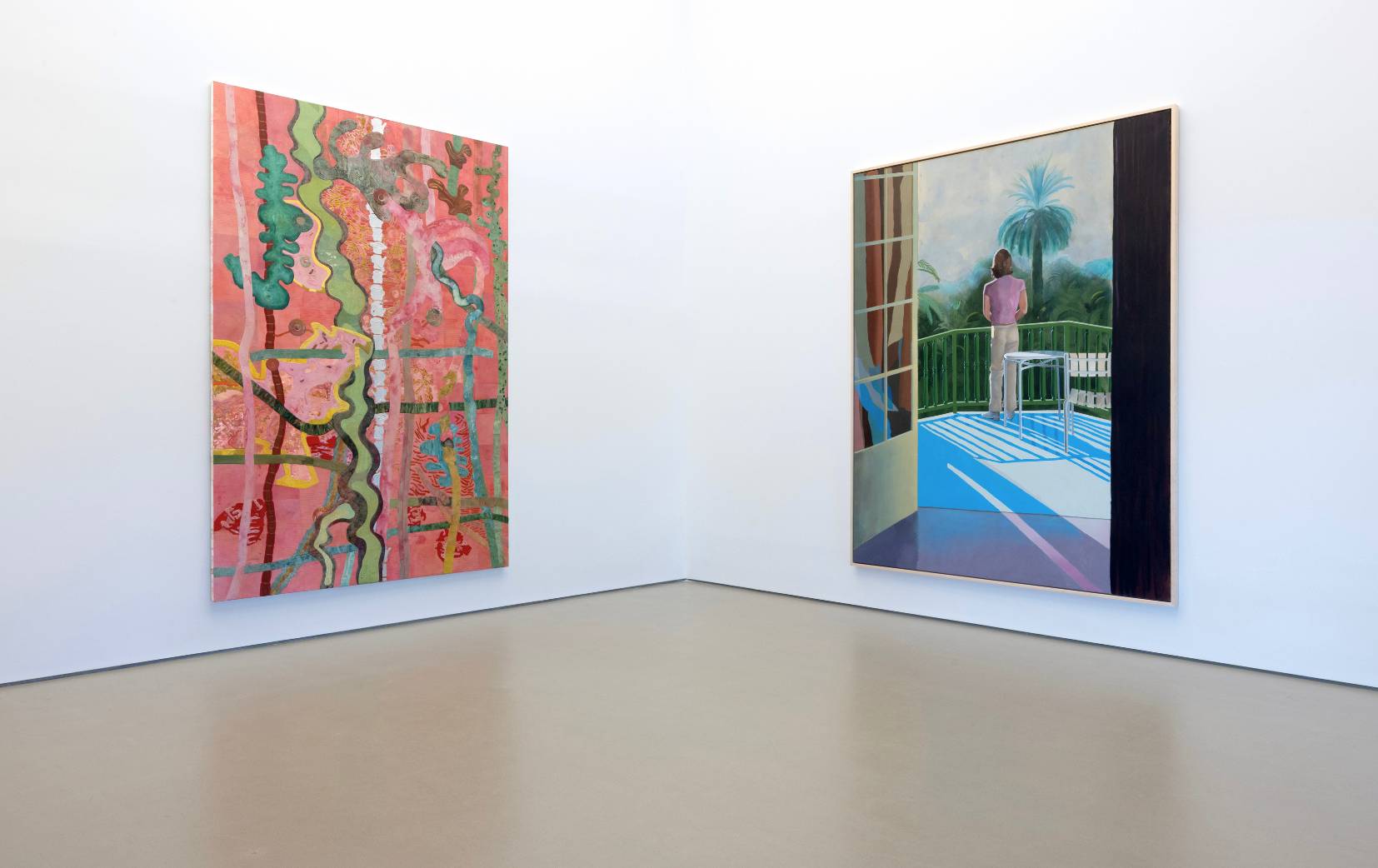
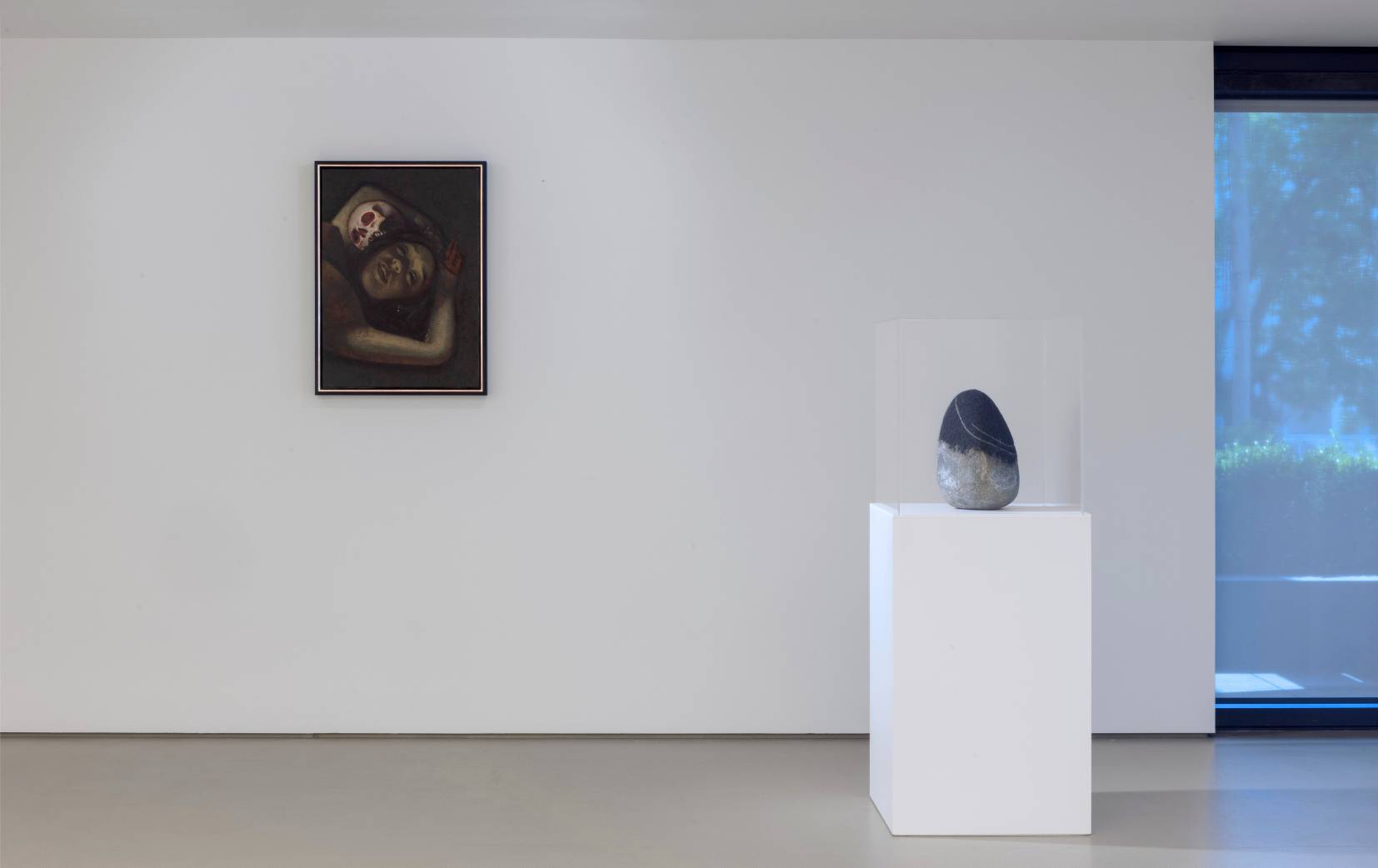
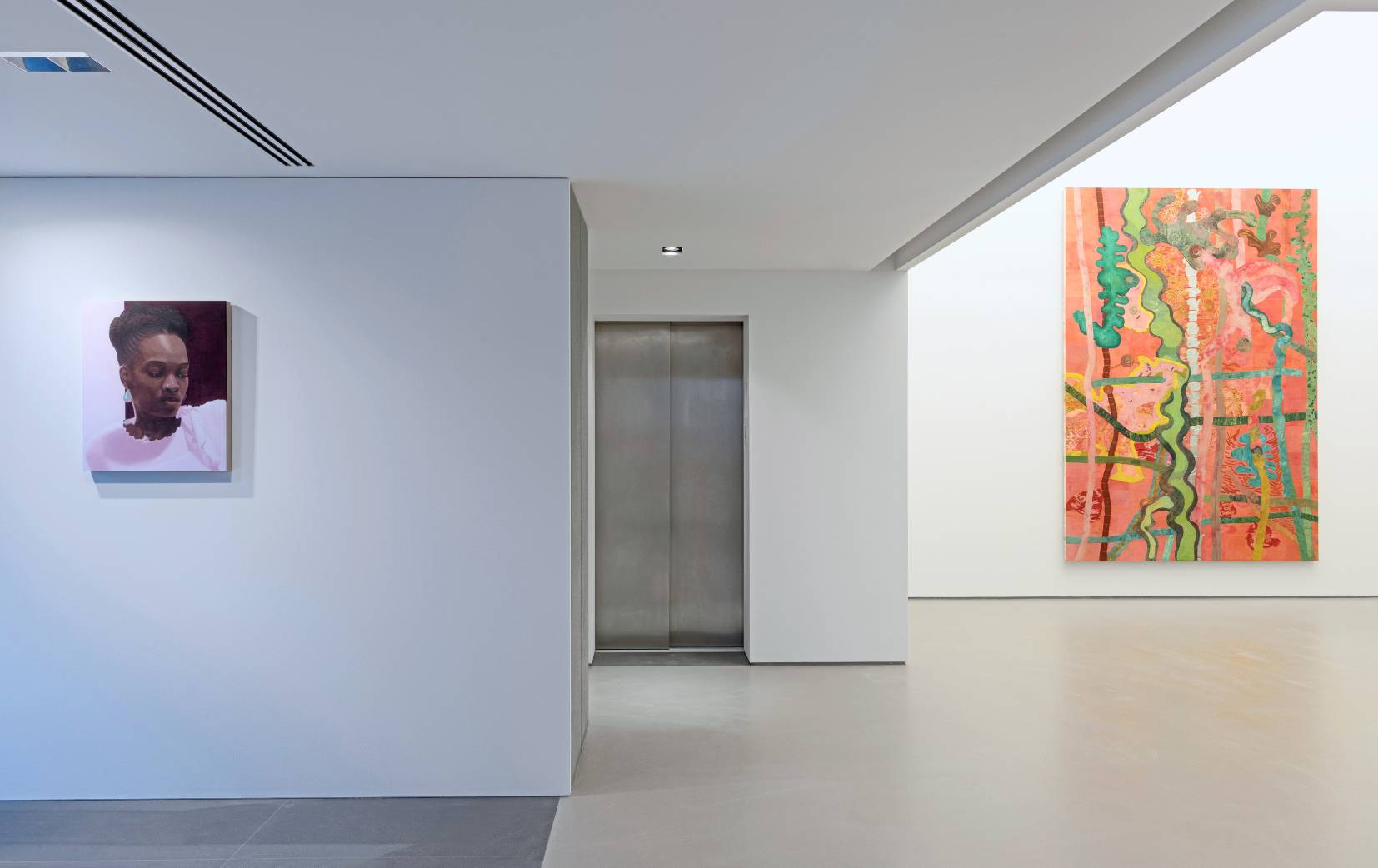
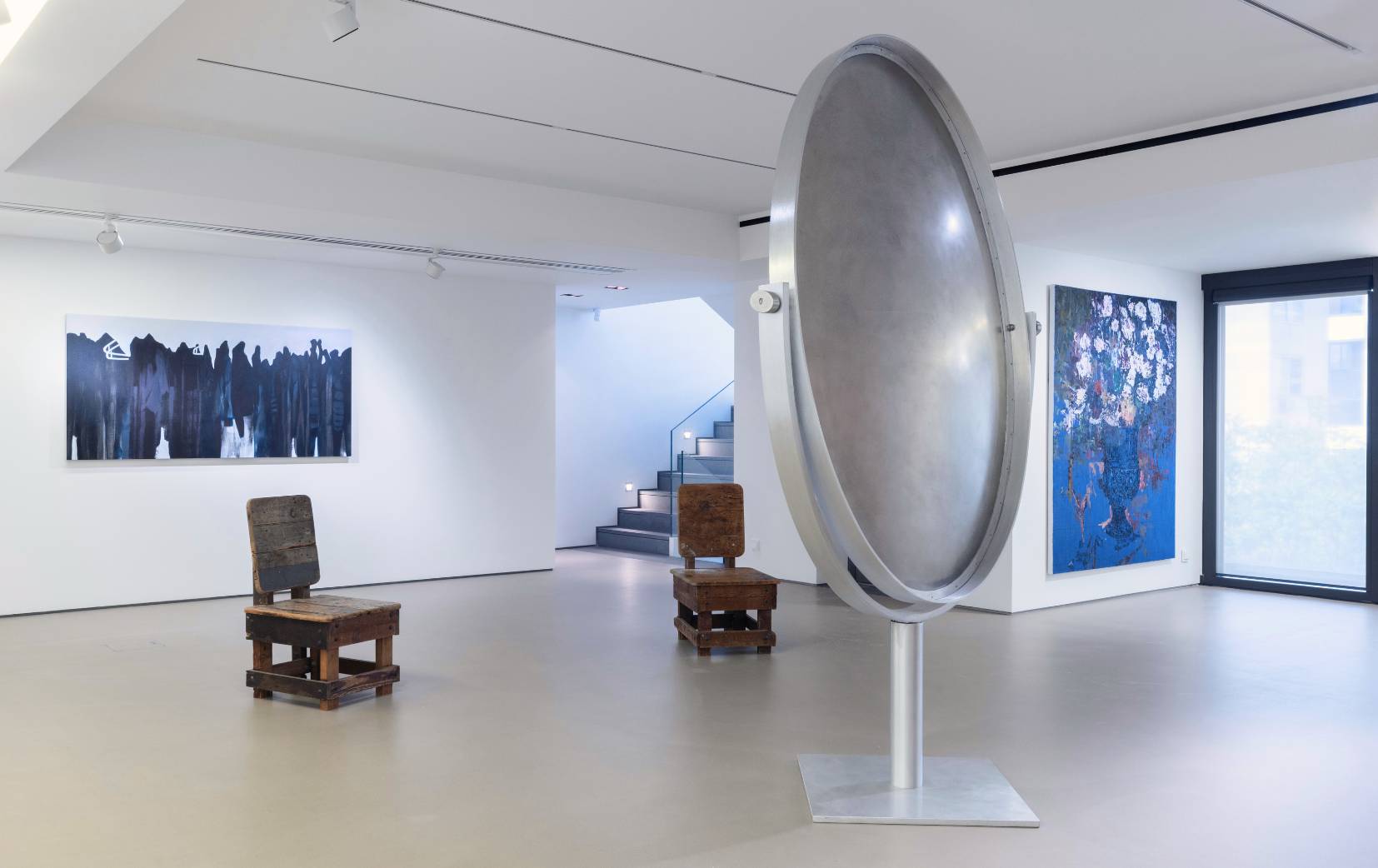
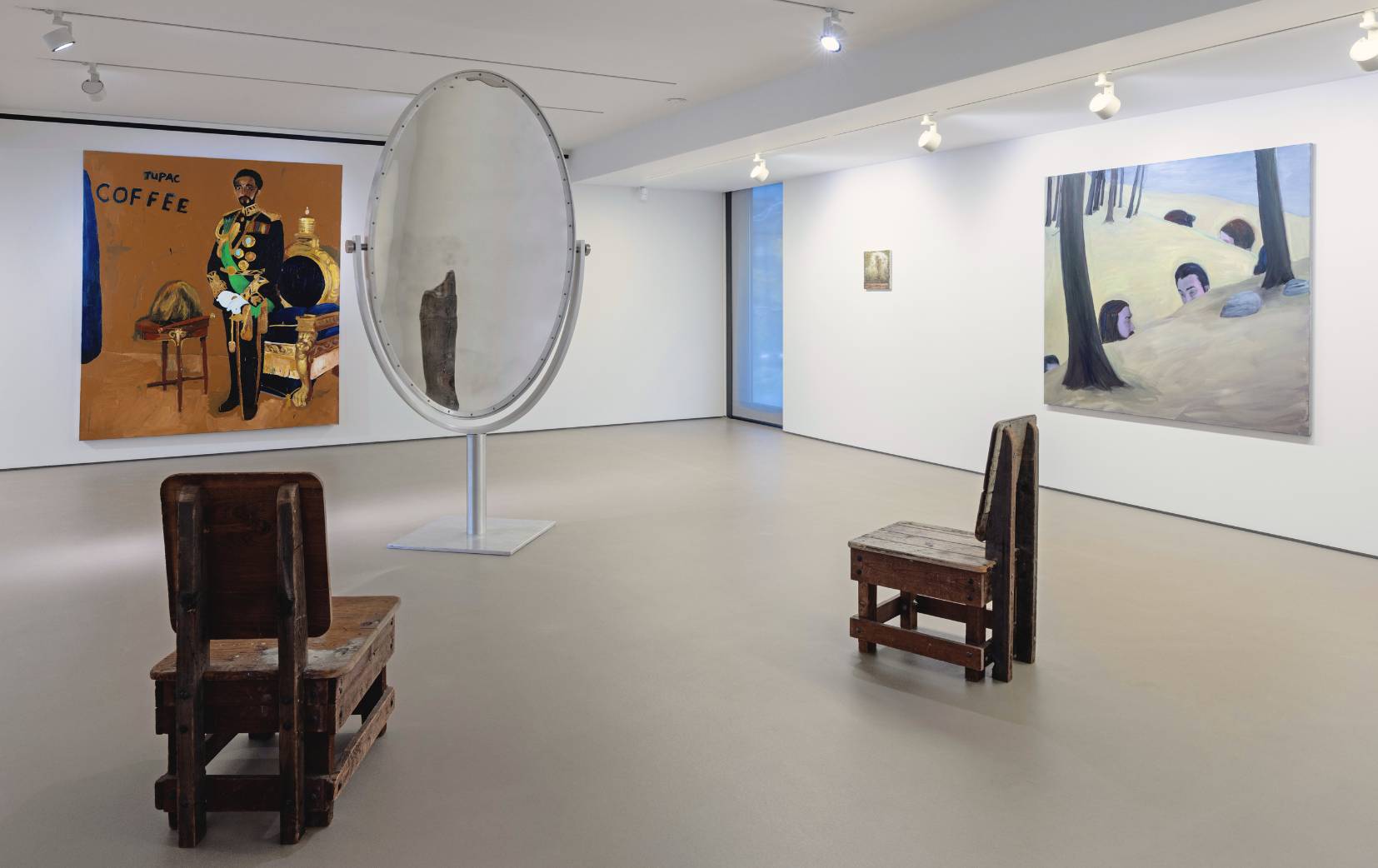
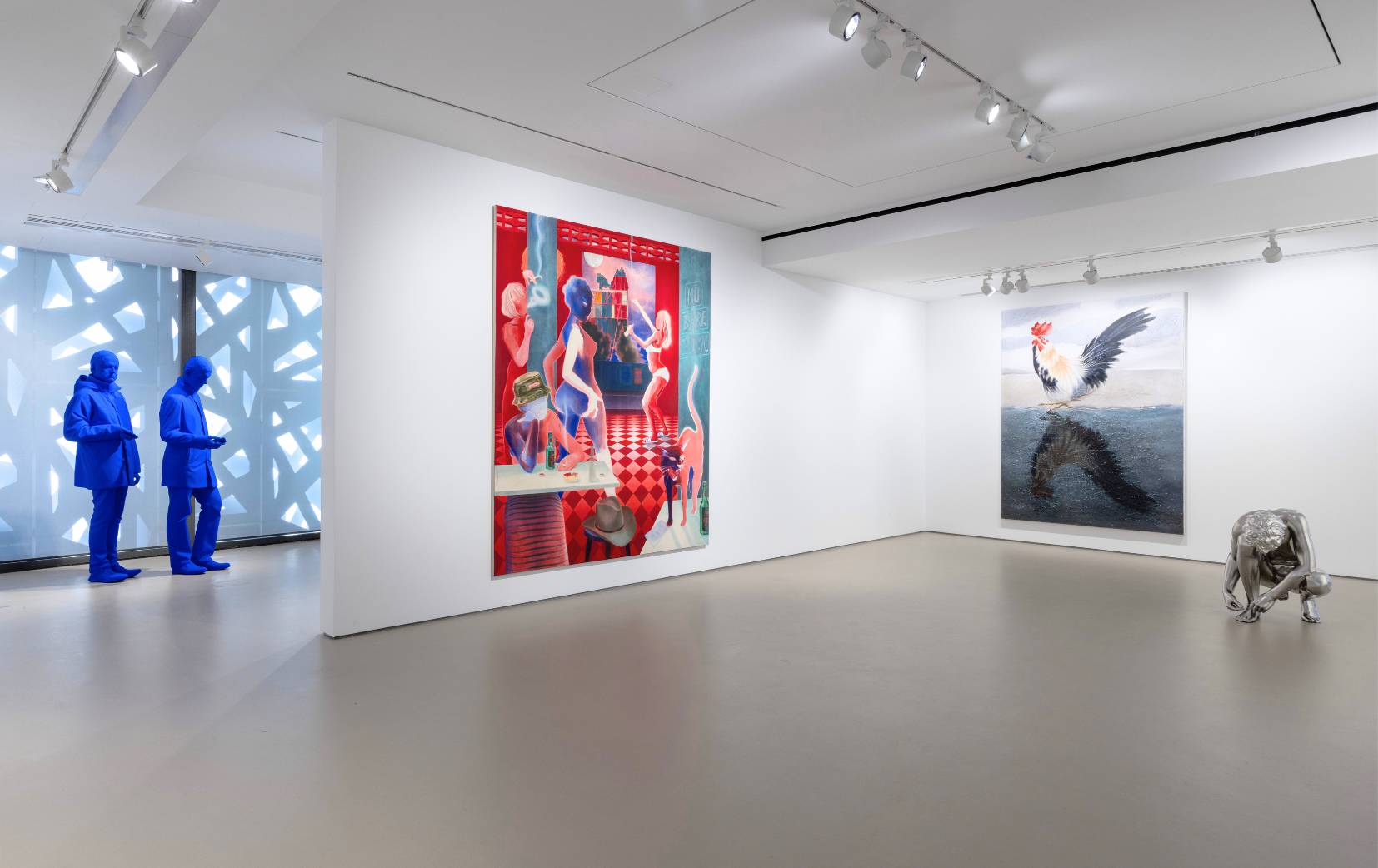
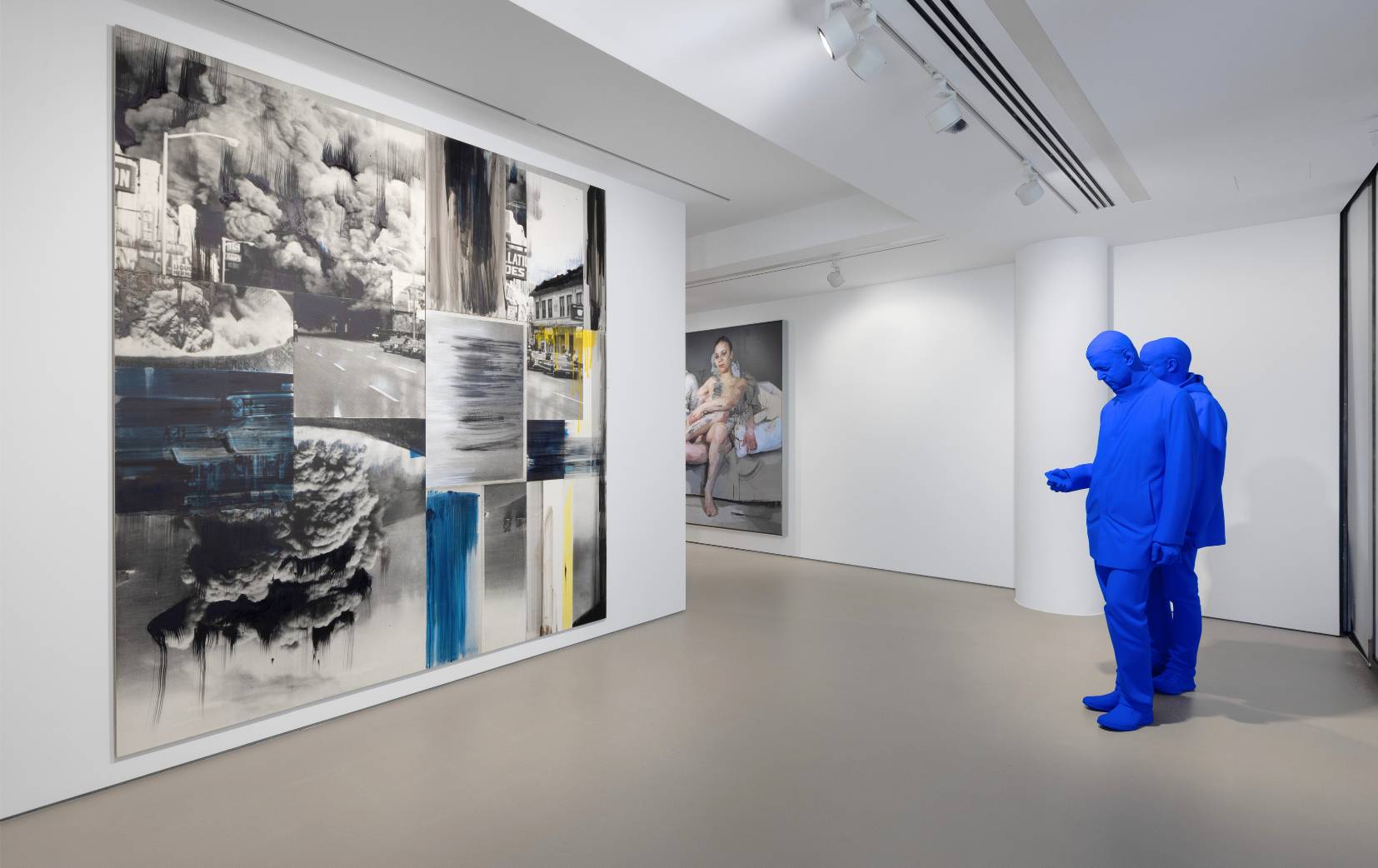
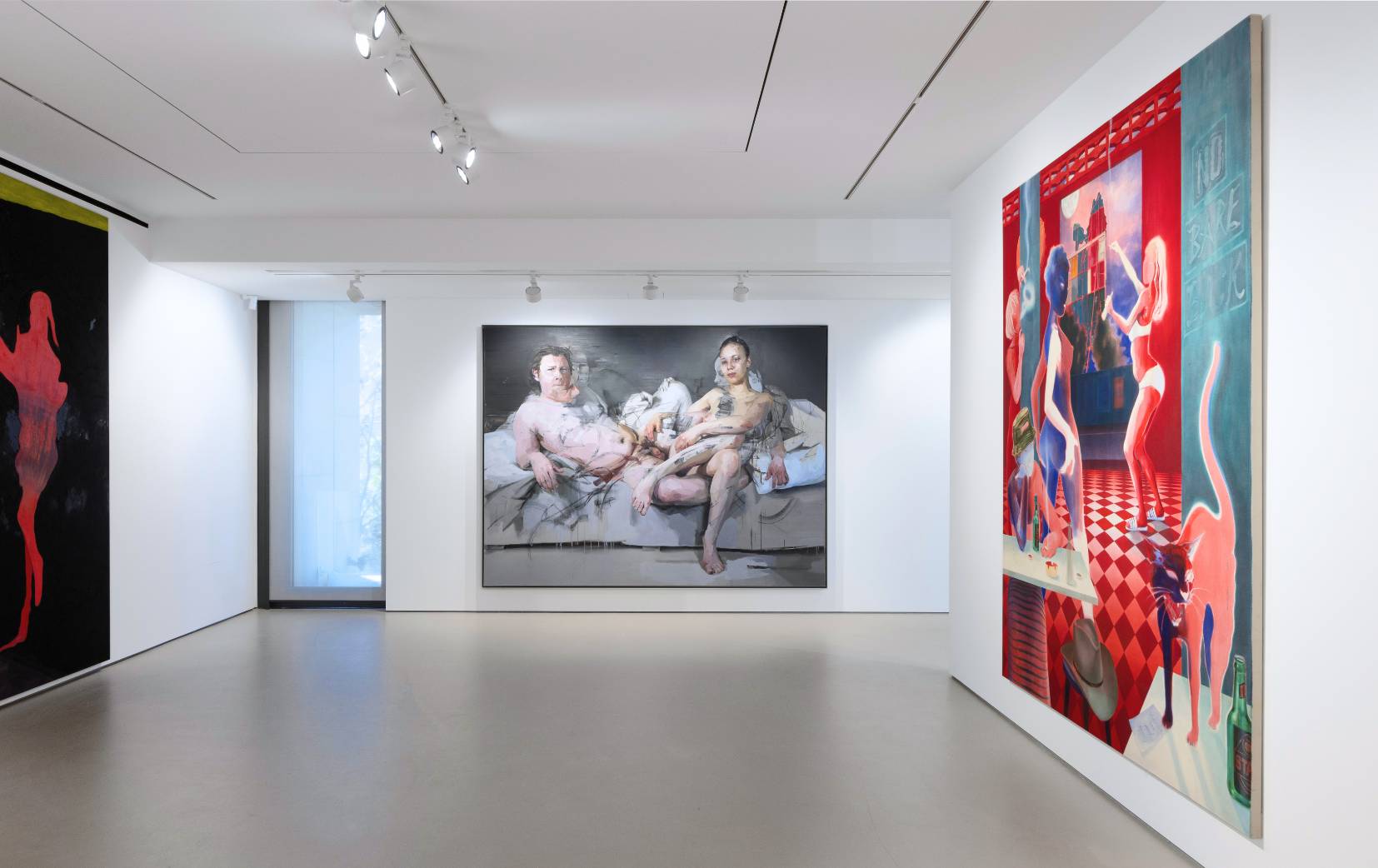


The George Economou Collection is pleased to announce The Way We Live Now, its first contemporary group exhibition, with works culled solely from its holdings and the first of its kind within the exhibition program.
In 1875, the English novelist Anthony Trollope published The Way We Live Now, his devastating look at the transfiguring effect of power during the industrial age. A little over one hundred and fifty years later, artists, curators, and writers continue to mine the real world in all its complexity, including the effects finance, industry, and desire have not only on artistic consciousness, but the viewer's understanding of what is being represented, and why.
In this group exhibition, the artists invite us, with their unique sensibilities, to observe how they have been informed, if not shaped, by “the way we live now”—as political creatures, as humans longing for intimacy, as observers in and of the world that has made us.
Divided into three loose sections — Intimacy, Politics, and Being — The Way We Live Now is a kind of travelogue. It begins with the ways artists convey the soulful and impressionistic, exploring how love and the romantic impulse contribute to the artist's understanding of Intimacy. What are we talking about when we talk about love?
We also look at the vulnerable body as it moves in and through a world framed by Politics. Who are we as individuals, as members of society? And what does it mean to be led, or have freedom of choice? Does a questioning spirit make one free? And how does the artist define freedom in today’s divided world?
Finally, we consider Being — our collective and individual existence — with a critical, mordant, and lyrical eye. The artists included in that grouping explore energy as it affects or is generated by the female form or the naked body, while they create sculptural figures that look deeply into the joys as well as struggles of being together or existing in poignant isolation. So doing, we are also looking at the intimacy the artist demands and imparts to their subject.
The Way We Live Now is co-curated by Hilton Als, Pulitzer Prize-winning writer, educator, and contributing writer at The New Yorker; Ann Philbin, director emeritus of the Hammer Museum and 2025 Getty Prize Winner; in close collaboration with Skarlet Smatana, the director of the George Economou Collection.
A publication with contributions by Hilton Als, Lisa Brice, Heather Ive, Ben Okri and Charles Ray will accompany the exhibition.